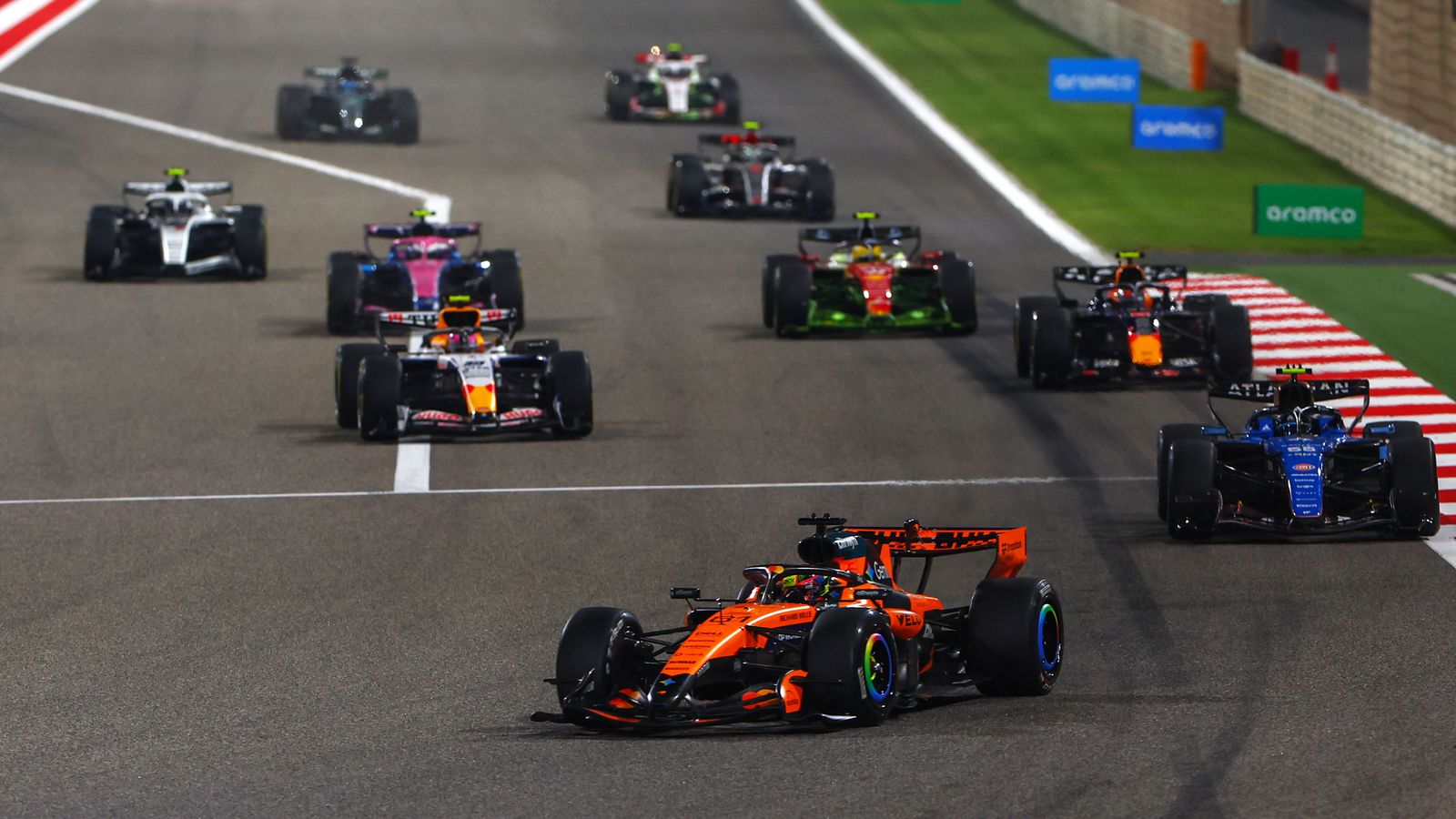
Formula One, a sport synonymous with cutting-edge engineering and breathtaking speed, stands on the cusp of another monumental shift. As the pinnacle of motorsport, its technological evolution is relentless, driving innovation that often trickles down into the broader automotive industry. Few sporting disciplines undergo such a frequent and fundamental overhaul of their core mechanics as F1, and the upcoming 2026 season promises one of the most significant transformations since the introduction of the hybrid power units in 2014. These sweeping adjustments to the f1 power unit regulations are not merely incremental tweaks; they represent a strategic rebalancing aimed at fostering greater sustainability, enhancing competition, and leveling the playing field for both established giants and ambitious new entrants.
The Genesis of Change: Why F1 Power Unit Regulations are Evolving for 2026
The journey towards the 2026 regulations has been a meticulous one, born from a desire to address several critical aspects of the sport. Since 2014, the hybrid era has showcased incredible engineering prowess, but it also inadvertently created significant barriers to entry due to the complexity and cost associated with mastering these sophisticated engines. The upcoming changes are designed to rectify this, ensuring that Formula One remains at the forefront of automotive technology while becoming more accessible and environmentally responsible.
At its heart, the evolution of F1 power unit regulations for 2026 is driven by a dual mandate: a resolute commitment to improved sustainability and the creation of a more equitable competitive landscape. These objectives intertwine, dictating a significant redesign of the engines that will power the sport into its next thrilling chapter. The changes are not just about raw power, but about smarter power, efficiency, and a closer fight on track.
A Greener Grid: The 50/50 Hybrid Split and Reduced Fuel Flow
A cornerstone of the 2026 f1 power unit regulations is the radical recalibration of the power unit’s energy mix, alongside a significant cut in permitted fuel consumption. This dual approach underscores F1's dedication to environmental stewardship and pushing the boundaries of efficiency.
Balancing Combustion and Electric Power
Currently, Formula One power units rely predominantly on the internal combustion engine (ICE), with approximately 80% of the power derived from fossil fuels and 20% from electronic energy recovery systems. The 2026 regulations will fundamentally alter this balance, moving to an even 50% ICE and 50% electronic power split. This dramatic shift is far more than a technical detail; it will profoundly impact how races are run, how drivers manage their resources, and how engineers design their systems. Drivers will need to become even more adept at managing energy deployment, making strategic use of the augmented electrical power for overtaking maneuvers and optimizing lap times.
This increased reliance on electrical power means that the efficiency of energy harvesting and deployment will be paramount. Teams will be pushing the boundaries of battery technology and motor design, transforming the strategic landscape of every Grand Prix. Understanding this intricate balance is key to decoding F1 2026: The Hybrid Power Unit Revolution Explained, highlighting the profound strategic implications for every team.
The Sustainability Imperative: Fuel Flow Cuts
In parallel with the hybrid split, the 2026 regulations will introduce a substantial reduction in the permissible fuel flow to the engine. Previously, engines were allowed up to 100kg of fuel per hour. While the exact figure for 2026 is still being finalized, the clear directive is a significant cut, meaning less fuel burned per race. This is a direct response to the sport's overarching sustainability goals and its commitment to achieving net-zero carbon emissions by 2030.
This reduction is intrinsically linked to the increased electrical power. With less fuel available, teams must compensate by maximizing energy harvesting and deployment from their hybrid systems. This demands innovative solutions in engine design, aerodynamics, and race strategy, forcing a greater emphasis on energy management rather than raw fuel-guzzling power. Furthermore, the 2026 regulations mandate the use of 100% sustainable fuels, a revolutionary step that will see F1 engines running on an entirely renewable energy source, further cementing the sport's commitment to a greener future.
Simplifying Complexity: MGU-H Out, MGU-K Boosted
Perhaps one of the most talked-about changes within the 2026 f1 power unit regulations is the removal of a highly complex component and the significant upgrade of another. These changes are crucial for achieving both the power balance and the level playing field objectives.
The Farewell to MGU-H
The Motor Generator Unit – Heat (MGU-H) has been an integral, yet often enigmatic, part of the hybrid power unit since 2014. Its ingenious function involved recovering waste heat from the exhaust gases and converting it into electrical energy, feeding it back into the car's energy store. While incredibly innovative, the MGU-H was a notoriously difficult piece of technology to master. Its complexity and the vast performance differential between teams that perfected it became a significant barrier for potential new power unit manufacturers looking to enter the sport.
Recognizing this, the MGU-H is being removed from Formula One for 2026. This decision is a direct attempt to simplify the power unit architecture, reduce development costs, and crucially, create a more level playing field. Without the MGU-H, the initial hurdle for new manufacturers like Audi, and any future interested parties, becomes significantly lower, fostering greater competition and potentially attracting more engine suppliers to the grid. This crucial change, alongside others, is a core focus when discussing F1 2026 Power Units: MGU-H Exit, 50/50 Hybrid & MGU-K Boost.
MGU-K Steps Up: A Power Surge
The removal of the MGU-H might beg the question: how will F1 more than double its electronic energy contribution? The answer lies in the dramatic enhancement of the Motor Generator Unit – Kinetic (MGU-K). This component, which has worked alongside the MGU-H since 2014, harvests energy generated during braking and deceleration, converting it into electrical power for the energy store. Drivers typically deploy this energy to boost acceleration out of corners.
For 2026, the MGU-K will undergo a colossal upgrade, increasing its power output from the current 120 kilowatts (kW) to an impressive 350 kW. This near-tripling of kinetic energy recovery capacity means that while the MGU-H is gone, the overall electrical power available to the driver for deployment will be significantly higher. The challenge for engineers will be to achieve this without substantially increasing the size and mass of the MGU-K, requiring innovative design directions focused on extreme power density and efficiency. This massive boost in MGU-K power will fundamentally alter braking zones, overtaking opportunities, and the strategic deployment of power during a lap, making energy management a crucial skill for drivers.
Forging a Level Playing Field: The Road Ahead
The cumulative effect of these changes in f1 power unit regulations is a deliberate move towards a more competitive and accessible Formula One. The simplification through MGU-H removal, the increased reliance on a universally powerful MGU-K, and the balanced 50/50 hybrid split all contribute to reducing the competitive advantage that a single manufacturer might gain from decades of perfecting highly complex and specific technologies.
This shift opens the door wider for new manufacturers, such as Audi, to enter the sport with a realistic chance of competing at the sharp end sooner rather than later. It levels the playing field for existing manufacturers too, forcing them to re-evaluate their entire power unit philosophy rather than simply iterating on existing designs. The massive investment required to develop a completely new power unit is justified by the promise of more balanced competition and a more sustainable future for the sport.
The challenge for all teams and manufacturers will be immense. It's not just about building a powerful engine, but about creating a power unit that is efficient, reliable, and perfectly integrated with the chassis to maximize both fuel economy and electrical deployment. The teams that best adapt to these new constraints, optimizing their energy harvesting and deployment strategies, will be the ones to beat in 2026 and beyond.
The F1 2026 engine rules mark a bold and exciting new chapter for Formula One. By prioritizing sustainability through significant fuel flow cuts and the adoption of 100% sustainable fuels, coupled with a fundamental rebalancing of power unit architecture, the sport is setting a new standard for high-performance motorsport. The strategic removal of the MGU-H and the dramatic increase in MGU-K power are calculated moves designed to foster a genuinely level playing field, encouraging new manufacturers and reigniting competition among the established players. As we edge closer to this new era, the anticipation for how these sophisticated f1 power unit regulations will unfold on track, challenging both engineers and drivers, promises an electrifying future for Formula One.