F1 2026 Power Units: Unveiling the Next Generation of Hybrid Dominance
Formula One, at its core, is a relentless pursuit of technological innovation, where the cutting edge of automotive engineering meets the pinnacle of motorsport. This constant evolution is why the sport routinely undergoes significant overhauls, challenging teams and manufacturers to redefine performance. Few periods encapsulate this spirit more profoundly than the lead-up to the 2026 season, which promises the most radical transformation of
f1 power unit regulations since the introduction of the hybrid era in 2014. These upcoming changes are not merely incremental; they represent a fundamental shift in philosophy, aiming for a more sustainable, equitable, and electrifying future for the sport.
The 2014 hybrid power units were a game-changer, but 2026 is poised to be an even bigger leap. For years, teams have been poring over these new rules, understanding their intricate implications. As we edge closer to this new era, the details of what's changing are becoming clearer, painting a vivid picture of what fans can expect. Let's delve into the key pillars of the 2026 F1 power unit revolution.
The Dawn of a New Hybrid Era: A Balanced 50/50 Power Split
One of the most significant shifts arriving with the 2026
f1 power unit regulations is the dramatic rebalancing of power sources. Currently, Formula One power units derive approximately 80% of their output from the internal combustion engine (ICE) and a mere 20% from electronic power. This ratio is set to undergo a revolutionary change, moving towards an even split: 50% ICE and 50% electronic power.
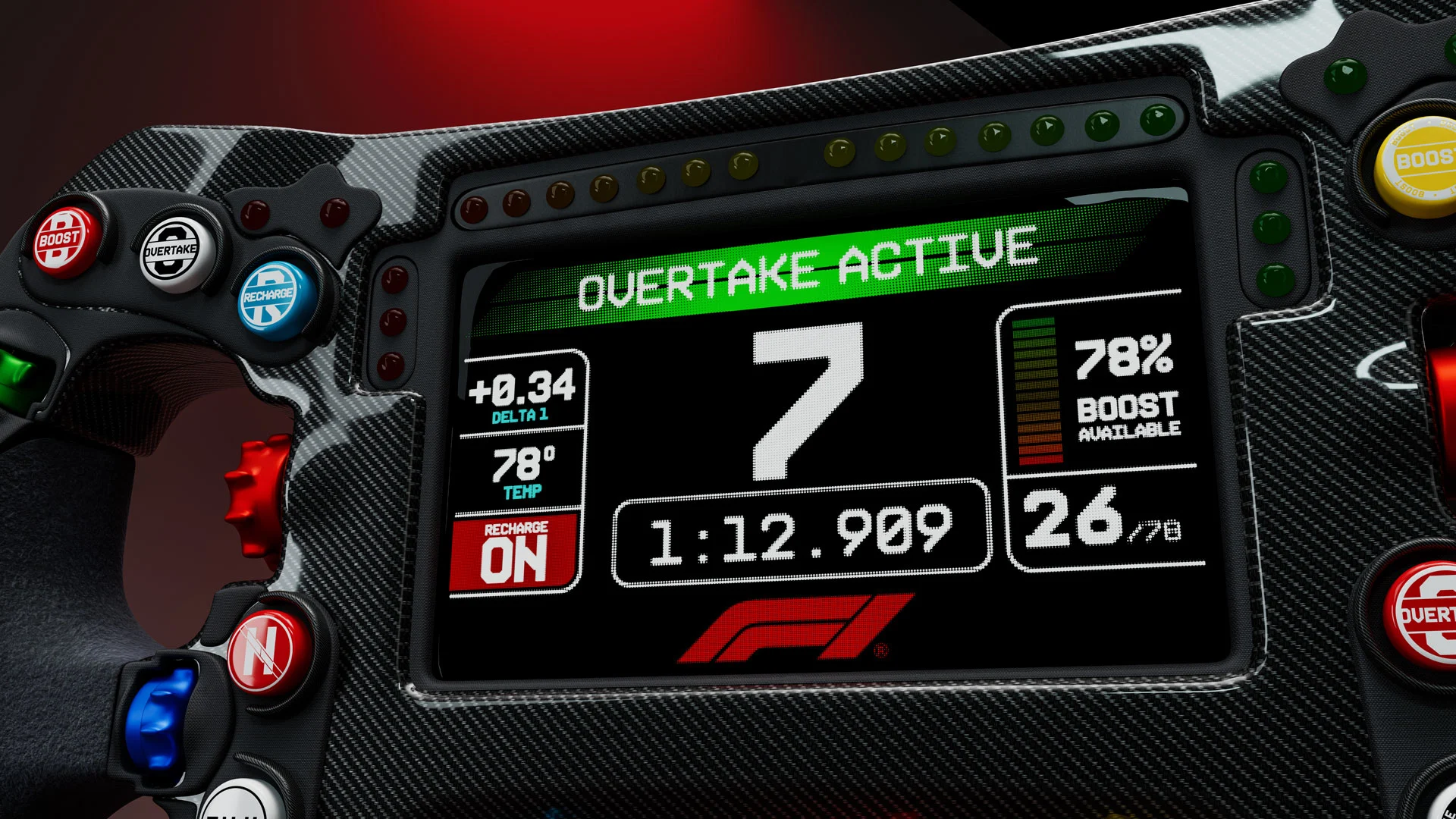
This move isn't just a number adjustment; it's a strategic embrace of electrification and a commitment to road-relevant technologies. The implications for power delivery will be substantial. Drivers will have access to much greater electrical boost for longer periods, fundamentally altering how power is deployed, especially during acceleration and overtakes. This increased reliance on electrical energy also pushes the boundaries of battery technology and energy recovery systems, making energy management during a race even more critical. Teams will need to master sophisticated strategies to ensure their drivers can consistently harness this powerful electrical component without depleting their energy stores too quickly. This change also significantly contributes to F1's sustainability goals, showcasing a viable pathway for high-performance vehicles to embrace electrification.
MGU-H: A Complex Departure, MGU-K: A Powerful Reimagination
To achieve the ambitious 50/50 power split while simultaneously making the sport more accessible, some profound engineering decisions have been made regarding the Energy Recovery System (ERS) elements.
The End of the MGU-H
Perhaps the most talked-about change is the removal of the Motor Generator Unit – Heat (MGU-H). Since its introduction in 2014, the MGU-H has been an incredibly ingenious, albeit notoriously complex, piece of technology. It was designed to recover waste heat energy from the car's exhaust gases, converting it into electrical energy to be stored or deployed. While a marvel of engineering, its intricate nature and high development costs presented a significant barrier to entry for potential new power unit manufacturers.
The decision to remove the MGU-H is a deliberate step to simplify the power unit architecture, making it more attainable for new engine suppliers to enter the sport and compete at the highest level. This simplification, in theory, should lead to a more level playing field, encouraging greater competition among manufacturers. One minor but noticeable side effect for fans might be a slight return to louder engine notes, as some of the exhaust energy previously recuperated by the MGU-H will now be dissipated as sound.
The Rise of the MGU-K
With the MGU-H departing, the burden of increasing electrical power falls squarely on the Motor Generator Unit – Kinetic (MGU-K). The MGU-K has always worked alongside the MGU-H, harvesting kinetic energy generated from braking and deceleration, transferring it to the energy store for the driver's use. However, its role is about to be drastically expanded.
From 2026, the MGU-K's power output will rocket from its current 120 kilowatts (kW) to an astounding 350 kW – nearly a three-fold increase! This massive boost is pivotal in achieving the 50/50 electrical-to-ICE power split. Engineering this kind of power density without significantly increasing the MGU-K's size and mass is a formidable challenge, requiring innovative designs focused on efficiency and material science. Teams will be pushing the boundaries of what's possible in electric motor and inverter technology. For drivers, this means a substantial "boost" button at their disposal, transforming overtaking opportunities and strategic energy deployment throughout a race. The art of managing this potent kinetic energy will become a defining factor in race performance, demanding even greater finesse and foresight from the drivers.
Sustainability and Strategic Fuel Management
Beyond the hybrid components, the 2026
f1 power unit regulations underscore Formula One's unwavering commitment to sustainability, particularly through significant changes in fuel usage. The sport is moving towards an even greener future, not just with increased electrical power but also by tackling the internal combustion engine's environmental footprint.
A key aspect of these new rules is a substantial reduction in the permitted fuel flow to the engine. While previous regulations allowed up to 100 kg of fuel per hour, this will be significantly cut for 2026. This reduction, coupled with the introduction of 100% sustainable fuels – fuels that are either synthetically created using captured carbon or bio-derived from non-food sources – will drastically improve the sport's environmental credentials. The goal is to make F1 carbon neutral by 2030, and these fuel innovations are central to that ambition.
For teams, this reduced fuel allowance translates into an even greater emphasis on aerodynamic efficiency and engine thermal efficiency. Every drop of fuel will count, making strategic fuel saving during races more critical than ever. Engineers will need to optimize combustion processes to extract maximum power from less fuel, leading to innovations that will undoubtedly trickle down to road car technology. For a deeper dive into how these fuel flow cuts will impact racing and competition, check out our related article:
F1 2026 Engine Rules: Fuel Flow Cuts & A Level Playing Field.
Leveling the Playing Field: Opportunities for New Entrants
The overarching philosophy behind many of the 2026
f1 power unit regulations is to create a more attractive environment for new manufacturers. The complexity and astronomical costs associated with developing the current hybrid power units, particularly the MGU-H, acted as a significant barrier. By simplifying certain aspects and capping development costs, the FIA aims to foster greater competition and bring new blood into the sport.
The removal of the MGU-H is the most direct example of this strategy, but the greater emphasis on electrical power also presents a different kind of technological challenge, one that aligns more closely with contemporary automotive industry trends. This has already attracted significant interest, with Audi confirming its entry as a power unit manufacturer and partner to Sauber, and Ford partnering with Red Bull Powertrains. Such moves are vital for the sport's long-term health, ensuring a diverse and competitive grid of engine suppliers. While challenges remain for any new entrant – F1 is never truly "easy" – these regulations certainly offer a more accessible pathway than previous eras. To understand the full scope of this hybrid revolution, you might find our article
Decoding F1 2026: The Hybrid Power Unit Revolution Explained particularly insightful.
The 2026 F1 season is set to be a watershed moment in the sport's history, driven by these groundbreaking
f1 power unit regulations. With a balanced 50/50 hybrid split, the removal of the complex MGU-H, a massively boosted MGU-K, and a strong commitment to sustainable fuels, Formula One is not just evolving; it's undergoing a fundamental transformation. This new era promises intense technological development, heightened strategic battles on track, and a more sustainable, competitive future for the pinnacle of motorsport. Get ready for a revolution on wheels!